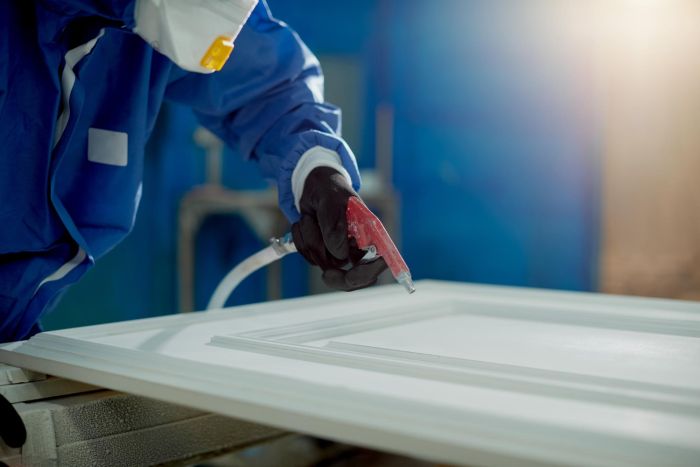
Safety equipment and consumables play a critical role in maintaining safe, compliant, and productive worksites across construction, industrial, and infrastructure projects. The correct selection and use of barricade tape, protective coveralls, respiratory masks, and full PPE kits enables organizations to control hazards, meet regulatory obligations, and protect workers effectively. At Al Sajid Mechanical Equipment LLC, contractors and project owners in the UAE can source reliable PPE and safety materials that align with both international best practices and local regulatory requirements.
Workplace Safety Foundations
Safety equipment forms the physical barrier between workers and workplace hazards, from falling objects and chemical splashes to dust, noise, and impact risks. Safety consumables such as masks, disposable coveralls, gloves, and barricade tapes support day-to-day site operations and are regularly used, replaced, and replenished. Strong safety compliance not only reduces incidents but also improves worker morale, reduces downtime, and increases overall productivity on construction and industrial projects.

Safety Equipment vs Consumables
Safety equipment typically refers to durable items designed for long-term or repeated use, such as safety helmets, harnesses, safety shoes, safety goggles, and full-face respirators. Safety consumables are products with a limited service life or intended for single or short-term use, such as dust masks, disposable coveralls, earplugs, and barricade tape. Both categories work together in practical use cases: for example, a worker may rely on a reusable safety helmet and harness while replacing masks and gloves according to task and contamination level.
Standards and Compliance
Many global projects reference OSHA guidelines and similar international standards to define safe working practices, PPE selection, and hazard control measures. In the UAE and wider GCC, authorities such as OSHAD (Abu Dhabi Occupational Safety and Health System Framework), MOHRE (Ministry of Human Resources and Emiratisation), local municipality codes, and civil defence regulations set detailed requirements for site safety, PPE, signage, and training. Construction and industrial projects in the UAE typically follow a combination of:
- OSHAD framework
- MOHRE labour and safety requirements
- Local municipality and civil defence regulations
- Internationally recognised standards such as OSHA, ISO, and EN norms (where referenced by project specifications)
Non-compliance can result in fines, work stoppages, legal liability, reputational damage, and increased risk of serious accidents. Selecting a compliant and experienced PPE supplier is therefore a strategic requirement, not just a procurement decision.
Role of PPE in Protection
PPE significantly reduces the likelihood and severity of workplace injuries by creating a protective layer against specific hazards like impact, heat, chemicals, and airborne particles. Industries where PPE is mandatory include construction, oil and gas, manufacturing, maintenance, warehousing, and sectors that handle chemicals or hazardous substances. Short-term benefits include fewer accidents and near-misses, while long-term benefits include better health outcomes, fewer occupational illnesses, and a stronger safety culture across the organization.
You can explore core PPE and safety items on Al Sajid’s dedicated PPE & Safety Materials page for construction and industrial projects across the UAE.
Barricade Tape Essentials
Barricade tape is a simple but highly visible control measure used to mark restricted, hazardous, or no-entry areas on worksites and public spaces. It helps segregate work zones, guide pedestrian and vehicle movement, and alert workers and visitors to potential dangers such as open excavations, overhead lifting, live electrical work, or other high-risk areas. Industries that widely use barricade tape include construction, road and infrastructure projects, utilities, maintenance, and events management where temporary demarcation is required.
Types of Barricade Tape
Common barricade tapes include “Caution” tape for general warnings and “Danger” tape for higher-risk zones or strictly prohibited areas. Non-adhesive barricade tape is typically used for temporary cordoning between cones, posts, or barricades, while adhesive variants can be fixed directly to surfaces where posts are not practical. Many suppliers also offer custom-printed barricade tapes with company branding, hazard symbols, or project-specific messages to support site communication and compliance.
Color Codes and Messages
Yellow barricade tape is generally associated with caution or warning, while red tape signals danger or prohibited access. Multi-colour options are used for special categories or branding. Standard text messages include “CAUTION,” “DANGER,” “WORK IN PROGRESS,” or industry-specific warnings alongside international safety pictograms. Using the correct colour and wording ensures faster hazard recognition and helps standardize safety communication across multiple sites and teams.
Best Practices for Barricade Tape Use
Barricade tape should be installed at eye-catching height, securely fixed, and extended continuously around the hazard area to avoid gaps or sagging. It is essential in areas such as open trenches, work-at-height zones, crane operating areas, and routes where vehicle and pedestrian traffic intersect on busy sites. Common mistakes to avoid include using faded or damaged tape, placing it too low to be noticed, or failing to update the cordon when work zones change.
Safety Coveralls Explained
Safety coveralls are full-body protective garments designed to protect workers from dust, dirt, chemicals, splashes, and other contaminants in construction and industrial environments. Unlike regular workwear, they provide continuous coverage of the torso, arms, and legs, often with closures and elasticated cuffs to minimize exposure. Coveralls are especially important for tasks involving painting, insulation work, maintenance, chemical handling, and work inside confined or contaminated spaces.
Types of Coveralls
- Disposable coveralls – suitable for dusty, dirty, or light chemical tasks where garments are discarded after use to prevent cross-contamination.
- Reusable industrial coveralls – made from durable fabrics for repeated washing and use in mechanical, electrical, and general construction work.
- Specialised coveralls – flame-resistant or chemical-resistant options for environments with fire risk, hot work, or exposure to hazardous substances.
Coverall Materials and Selection
Typical materials for disposable coveralls include polypropylene and SMS (spunbond-meltblown-spunbond) fabrics, while advanced options such as Tyvek-type laminates offer higher protection with moderate breathability. Selecting the right balance between breathability and protection is important to prevent overheating in UAE conditions while still blocking fine dust or chemical splashes. Coveralls should be matched to the specific hazard profile, task duration, and climate.
For site teams sourcing coveralls, masks, and related consumables in the UAE, Al Sajid’s PPE & Safety Materials range provides multiple product categories in one place.
Masks and Respiratory Safety
Masks and respirators protect workers from inhaling dust, fumes, vapours, and airborne contaminants common in industrial and construction operations. Respirable dust and particles can cause immediate irritation as well as long-term respiratory illnesses if exposure is not controlled. Effective respiratory protection is especially important during cutting, grinding, spraying, welding, and chemical or solvent handling.
Types of Safety Masks
- Disposable dust masks – for light to moderate dust environments, commonly used in construction and finishing tasks.
- N95 and similar respirator masks – provide higher filtration efficiency against fine particles; widely used in healthcare, industrial, and high-dust settings.
- Half-face and full-face respirators – with replaceable filters for robust protection against dust, fumes, and certain gases or vapours in heavy industry.
Respirator Standards and Use
International standards such as NIOSH, along with local or equivalent certifications, confirm filtration performance and design quality. Understanding ratings and filtration efficiency helps safety teams select the correct mask type for the hazard—whether particulate dust, mist, or gas. Correct fitting, sealing, storage in clean dry conditions, and timely replacement or disposal are essential to maintain performance.
Full PPE Kits
A full PPE kit typically includes coveralls, masks or respirators, gloves, goggles or face shields, and shoe covers or safety footwear to deliver head-to-toe protection. Kits can be standardised for general construction or customised for specific risks such as chemical handling, healthcare isolation, or welding operations. Standardised PPE kits reduce the risk of missing components and simplify compliance for supervisors and safety officers.
Where Full PPE Kits Are Used
Full PPE kits are common on construction and infrastructure projects, especially where multiple trades and high-risk operations run in parallel. Healthcare facilities, laboratories, chemical plants, and hazardous material sites also rely on complete PPE kits to control biological and chemical risks. For large UAE projects, partnering with a consistent supplier like Al Sajid supports bulk provisioning of standardised kits across multiple sites.
You can discuss bulk PPE kit requirements directly with the Al Sajid team via their main site at Al Sajid Mechanical Equipment.
Choosing a Safety Supplier
Selecting the right safety equipment supplier involves checking product certifications, brand reliability, breadth of PPE and safety categories, consistent stock availability, support for bulk and project-based orders, and timely delivery. For contractors and industrial clients, the ability to provide reliable supply and quick response is vital to keep projects on schedule and compliant. Since 1993, Al Sajid has supported UAE construction and industrial customers with building materials, industrial consumables, PPE, and safety equipment under one roof.
Storage, Shelf-Life, and Cost
Many safety consumables, including masks, disposable coveralls, and certain filters, have defined shelf lives and should be stored in cool, dry, clean conditions. Regular inventory checks, rotation, and expiry-date tracking ensure only effective PPE is issued to workers. While low-cost, non-certified PPE may seem attractive initially, certified, high-quality products offer better protection and often result in lower long-term costs by preventing incidents and rework.
Future Trends in PPE
Innovations in PPE include smarter wearables that monitor environmental conditions, worker location, or vital signs to support proactive safety management. There is also growing interest in eco-friendly, reusable materials and recycling programmes to reduce the environmental impact of disposable PPE. At the same time, organisations are placing greater emphasis on training, toolbox talks, and leadership engagement to build a strong safety culture—not just provide equipment.
Older Blogs
Building for the Desert: A Complete Guide to Choosing the Right Cement, Aggregates, and Steel for UAE Climates
Essential PPE for Oil & Gas and Construction Workers: Meeting UAE Safety Standards and Compliance