Introduction
Construction projects depend heavily on speed, precision, and efficiency. Whether you are involved in residential construction, commercial developments, industrial projects, or infrastructure work, selecting the right power tools directly affects the success of the project. The right tools help workers improve productivity, maintain quality standards, and complete projects within deadlines. In modern construction environments, contractors require tools that can perform effectively under demanding conditions including dust, heat, and continuous operation.

Why Choosing the Right Power Tool Matters
Power tools play an essential role in increasing productivity and reducing manual effort on construction sites. Selecting the proper tool can significantly reduce labor time and increase accuracy. Using the wrong tool may result in equipment damage, poor workmanship, increased downtime, and unnecessary expenses. Investing in high-quality power tools is a long-term decision that helps improve efficiency and ensures project consistency.
Understand Your Project Requirements
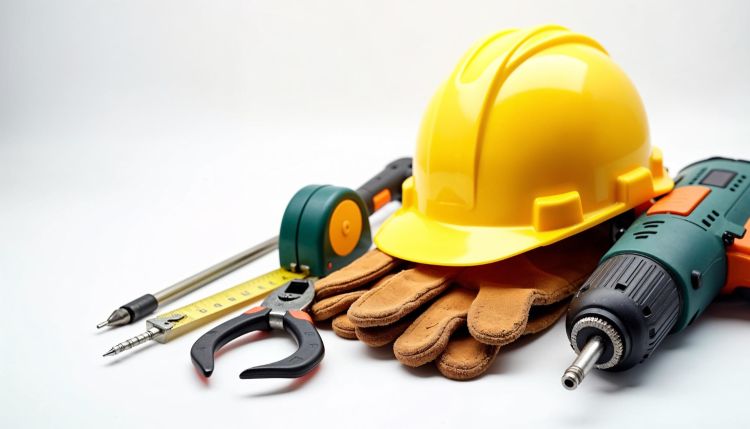
Before purchasing any power tool, construction professionals should carefully analyze project requirements. Different jobs require different equipment depending on the materials used and the type of work involved. Concrete and masonry projects typically require rotary hammers, demolition hammers, and concrete cutters. Woodworking tasks often require circular saws, sanders, and jigsaws. Electrical and MEP installation projects commonly use drills, impact drivers, and cable cutting tools. Understanding the exact purpose of the tool helps avoid unnecessary spending and improves project outcomes.
Corded vs Cordless Power Tools
One of the major decisions in tool selection involves choosing between corded and cordless tools. Corded tools are known for delivering continuous power and are often suitable for heavy-duty applications requiring extended operation. However, they can restrict mobility because they depend on electrical outlets. Cordless tools provide flexibility and ease of movement across construction sites. Although battery charging and replacement may be necessary, many professionals prefer cordless systems because of their convenience and portability.
Power Ratings and Performance
Power ratings should always be evaluated carefully before selecting a tool. Higher power ratings do not automatically guarantee better performance. Users should evaluate motor strength, speed settings, and torque output based on project requirements. Variable speed settings offer better control for different materials, while higher torque levels are beneficial for heavy-duty drilling and fastening applications.
Durability and Build Quality
Construction sites expose equipment to challenging conditions such as moisture, dust, heat, and physical impact. Choosing durable tools built with high-quality materials increases equipment lifespan and reduces maintenance requirements. Contractors should consider features such as reinforced housing, metal gear systems, dust protection technology, and shock-resistant design. Reliable construction tools provide consistent performance even under difficult working environments.
Safety Features
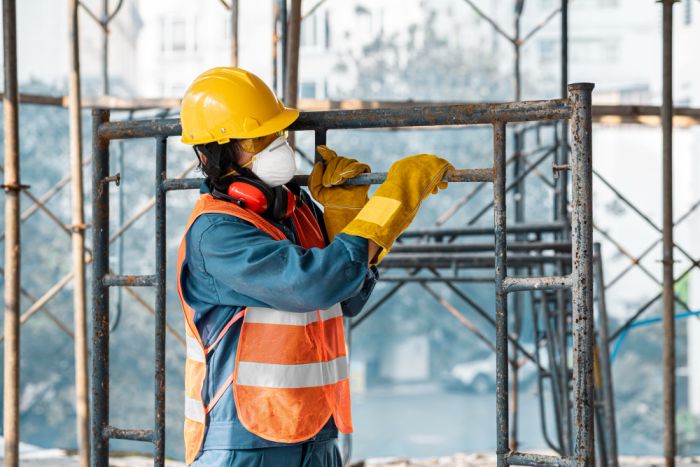
Safety should always be a top priority when selecting power tools for construction projects. Modern tools often include important safety features such as overload protection, anti-kickback systems, soft-start functionality, and dust collection systems. These features help reduce workplace accidents and improve worker protection. Additionally, construction workers should use appropriate PPE equipment including safety helmets, gloves, eye protection, respirators, and safety footwear.
Maintenance and Long-Term Value
Maintenance plays an important role in extending the life of construction tools. Regular cleaning, proper storage, cable inspection, battery maintenance, and lubrication of moving parts can significantly improve equipment performance. Companies should also evaluate product warranties, spare parts availability, and service support before making purchasing decisions. Focusing on long-term value rather than initial purchase cost often results in greater cost savings over time.
Conclusion
Selecting the right power tools for construction projects requires careful planning and evaluation. Construction professionals should consider project requirements, durability, safety features, power performance, and long-term value before purchasing equipment. High-quality tools help improve productivity, maintain project schedules, and reduce operational costs. Businesses investing in reliable construction tools and industrial equipment can achieve better project outcomes and long-term success.
Older Blogs
Safety Equipment and Consumables: Barricade Tape, Coveralls, Masks, and Full PPE Kits for Site Compliance and Worker Protection

Building for the Desert: A Complete Guide to Choosing the Right Cement, Aggregates, and Steel for UAE Climates