Introduction
The industrial and construction industry in Abu Dhabi is experiencing rapid growth, creating increased demand for industrial machinery, power tools, construction equipment, MEP products, building materials, and safety solutions. Businesses operating in construction, manufacturing, oil and gas, infrastructure development, and maintenance services require dependable suppliers to ensure smooth operations and project completion.
Selecting the right industrial equipment supplier is more than simply finding a company with competitive pricing. The supplier you choose directly affects project quality, operational efficiency, safety standards, and long-term profitability.
Working with an experienced supplier can help businesses reduce downtime, ensure consistent product availability, improve project timelines, and minimise operational risks.
Businesses seeking industrial and construction solutions across the UAE often work with Al Sajid because of its broad industrial product offerings and support services.

Why Choosing the Right Industrial Equipment Supplier Matters
Industrial projects often operate under strict schedules and budgets. Equipment delays or poor product quality can negatively impact the entire workflow.
Reliable industrial equipment suppliers help businesses:
- Maintain project timelines
- Reduce unexpected downtime
- Improve productivity
- Ensure product quality
- Receive technical assistance
- Control long-term costs
- Improve workplace safety
On the other hand, selecting an unreliable supplier may lead to:
- Delayed deliveries
- Equipment failure
- Increased maintenance costs
- Reduced operational efficiency
- Safety risks
- Additional replacement expenses
Choosing the right supplier becomes a strategic investment rather than just a purchasing decision.
Key Factors to Consider When Selecting Industrial Equipment Suppliers in Abu Dhabi
Evaluate Supplier Experience and Industry Knowledge
Experience often reflects a supplier’s ability to understand customer requirements and industry standards.
When evaluating a supplier, consider:
- Number of years in operation
- Industry expertise
- Project experience
- Product knowledge
- Customer portfolio
Experienced suppliers usually understand local market requirements and can provide recommendations based on practical experience.
For example, construction projects may require different tools and materials compared with manufacturing operations or oil and gas projects.
An experienced supplier can help identify the most suitable products for your specific requirements.
Check Product Range and Availability
Managing multiple suppliers for different products often increases procurement complexity.
Look for suppliers offering multiple categories under one source.
Industrial Products
- Industrial machinery
- Industrial tools
- Mechanical products
- Hardware products
- Industrial consumables
Construction Products
- Building materials
- Electrical products
- Plumbing materials
- Paints and coatings
- MEP materials
Safety Products
- Personal protective equipment (PPE)
- Safety helmets
- Gloves
- Safety shoes
- Protective clothing
A supplier with a wide range of products helps reduce purchasing challenges and improves efficiency.
Verify Product Quality and Certifications
Quality should always be a priority when purchasing industrial equipment.
Before making a purchase, ask:
- Are products certified?
- Are products original?
- Is warranty support available?
- Are products compliant with industry standards?
Reliable suppliers generally work with recognised manufacturers and authorised distributors.
Quality products offer several benefits:
- Longer lifespan
- Reduced maintenance
- Improved performance
- Better safety
- Lower long-term costs
Low-quality equipment may initially appear less expensive but often leads to higher replacement and maintenance costs later.
Assess Warehouse Capacity and Inventory Management
Inventory availability plays an important role in industrial operations.
Large projects often require:
- Bulk orders
- Urgent deliveries
- Consistent stock availability
Suppliers with dedicated warehouse facilities usually provide better service and faster delivery.
Questions to ask:
- Do they maintain warehouse inventory?
- Can they handle large orders?
- Do they support urgent requirements?
Insufficient stock availability can create project delays and operational disruptions.
Evaluate Delivery and Logistics Support
Timely delivery is critical in industrial and construction projects.
Reliable suppliers typically provide:
- Scheduled deliveries
- Transportation support
- Bulk shipment handling
- Regional delivery coverage
- Order tracking
Poor logistics can affect:
- Project deadlines
- Workforce productivity
- Equipment availability
- Operational costs
Businesses should always evaluate supplier logistics capabilities before making long-term purchasing decisions.
Review Customer Reputation and Market Presence
Customer feedback provides valuable insights into supplier performance.
Research:
- Google reviews
- Testimonials
- Business listings
- Industry references
- Client portfolios
Look specifically for comments related to:
- Product quality
- Delivery reliability
- Customer support
- Technical assistance
- Overall satisfaction
Suppliers with long-term customer relationships often indicate reliability and service quality.
Assess Customer Service and Technical Support
Industrial purchasing frequently requires technical guidance.
Strong suppliers offer:
- Product recommendations
- Technical specifications
- Installation guidance
- Product troubleshooting
- After-sales support
Technical support becomes especially important when purchasing:
- Machinery
- Specialised tools
- MEP products
- Electrical systems
- Mechanical equipment
Good customer support reduces purchasing mistakes and improves operational performance.
Compare Long-Term Value Rather Than Price Alone
Many businesses make the mistake of choosing suppliers based only on the lowest price.
Instead, consider overall value.
Product Quality
High-quality products last longer and reduce maintenance costs.
Service Quality
Responsive customer support improves business operations.
Warranty Support
Warranty protection reduces financial risks.
Delivery Reliability
Timely deliveries help maintain project schedules.
Technical Expertise
Professional guidance helps businesses make better purchasing decisions.
The cheapest option is not always the most cost-effective solution over time.
Common Mistakes Businesses Make When Choosing Industrial Suppliers
Ignoring Supplier History
Always verify experience and industry reputation.
Focusing Only on Pricing
Cheap products sometimes compromise quality.
Not Checking Certifications
Product quality and compliance standards are essential.
Ignoring Logistics Support
Delivery capability significantly affects project success.
Overlooking After-Sales Service
Long-term technical support is important.
Why Businesses Prefer Trusted Industrial Suppliers
Businesses increasingly prefer suppliers capable of handling complete procurement requirements under one platform.
Advantages include:
- Simplified purchasing process
- Consistent product quality
- Faster project execution
- Better inventory management
- Reduced operational complexity
- Strong customer support
Suppliers with established infrastructure, product expertise, and strong logistics support often create greater long-term value for businesses.
Businesses looking for industrial solutions in the UAE frequently explore suppliers like Al Sajid for construction products, industrial equipment, and related services.

Final Thoughts
Finding reliable industrial equipment suppliers in Abu Dhabi requires careful planning and evaluation. Businesses should consider supplier experience, product quality, logistics capabilities, customer service, and long-term value rather than focusing solely on pricing.
A dependable supplier becomes more than a product provider. They become a long-term business partner that supports operational growth and project success.
By making informed supplier decisions, businesses can improve efficiency, reduce downtime, and create a stronger foundation for long-term success.
Older Blogs
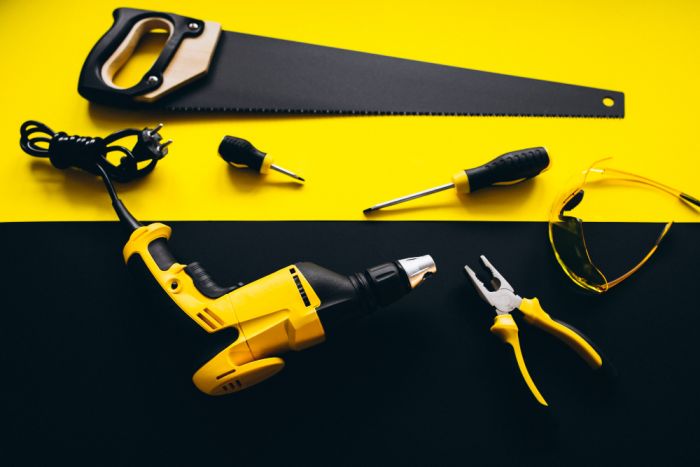
How to Choose the Right Power Tools for Construction Projects
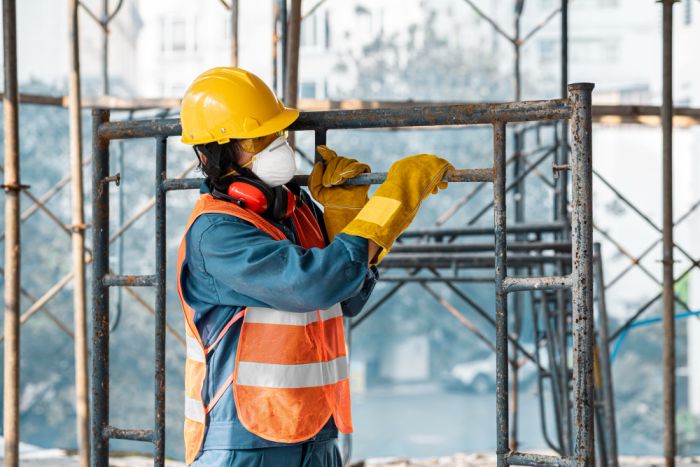
Safety Equipment and Consumables: Barricade Tape, Coveralls, Masks, and Full PPE Kits for Site Compliance and Worker Protection