Introduction
Workplace safety is one of the most important aspects of any organization, regardless of industry or business size. Whether it is a construction company, manufacturing facility, warehouse, industrial plant, office, or maintenance environment, maintaining a safe workplace is essential for both employees and employers. A secure and healthy working environment not only protects employees from injuries and health risks but also improves productivity, increases operational efficiency, and strengthens a company’s reputation.
As industries continue to grow and adopt advanced technologies, workplace environments have become more complex. Construction and industrial sectors in particular involve machinery, tools, chemicals, electrical systems, and physically demanding activities that can create potential hazards if not properly managed. Many workplace accidents occur due to a lack of safety awareness, inadequate training, improper equipment use, or failure to follow safety procedures.
Businesses that invest in workplace safety often experience fewer operational interruptions and lower costs associated with accidents, compensation claims, and equipment damage. Safety should not be viewed simply as a regulatory requirement; it should be considered a core business strategy that supports long-term growth and sustainability.
Companies seeking industrial and workplace safety solutions frequently rely on Al Sajid for construction products, industrial materials, and workplace safety equipment across the UAE.
Why Workplace Safety Is Important
Creating a safe work environment provides benefits that extend beyond accident prevention. Employees who feel safe at work generally perform better and are more confident in carrying out their responsibilities. Safe workplaces also reduce employee absenteeism and improve overall job satisfaction.
Organizations with strong workplace safety practices often experience improved productivity because employees can focus on their tasks without concerns about potential hazards. Workplace safety also helps businesses reduce financial losses associated with medical expenses, legal issues, equipment repairs, and project delays.
Ignoring workplace safety can have serious consequences. Injuries can affect employee well-being and reduce workforce efficiency. In severe situations, accidents may result in long-term health complications, permanent disabilities, or even loss of life. These incidents can also negatively impact a company’s reputation and customer confidence.
For this reason, workplace safety should become part of the company culture rather than being treated as an occasional requirement.
Slips, Trips, and Falls: One of the Most Common Workplace Risks
Among all workplace hazards, slips, trips, and falls continue to be some of the most frequently reported incidents across industries. These accidents can occur in almost any environment, including construction sites, warehouses, factories, and offices.
Wet surfaces, cluttered walkways, loose cables, uneven flooring, poor housekeeping practices, and insufficient lighting often contribute to these incidents. While some falls may cause minor injuries, others can result in serious consequences such as fractures, back injuries, and head trauma.
Preventing slips, trips, and falls requires organizations to maintain clean and organized workspaces. Regular inspections should be performed to identify hazards before they become serious risks. Walkways should remain clear, warning signs should be used in wet areas, and cables should be properly secured.
Simple preventive actions can significantly reduce the likelihood of these incidents and create safer working conditions.
Equipment and Machinery Hazards
Industrial workplaces frequently involve heavy machinery and specialized equipment. While these tools improve efficiency and productivity, improper operation can create significant safety risks.
Equipment-related accidents often occur because of insufficient training, poor maintenance practices, or failure to follow operational guidelines. Employees who use machinery without understanding proper procedures may expose themselves and others to serious injuries.
Businesses should ensure that workers receive proper training before operating any machinery or equipment. Employees should understand safety procedures, equipment limitations, and emergency response protocols. Regular maintenance and inspections are equally important because faulty equipment can create unexpected risks.
Providing adequate supervision and establishing equipment safety standards help organizations minimize workplace incidents.
Electrical Hazards and Workplace Safety
Electrical systems are essential components of many workplaces, particularly in industrial and construction environments. However, electrical hazards can become extremely dangerous if not properly managed.
Damaged wires, overloaded circuits, exposed electrical components, and improper use of electrical tools often create risks. Electrical accidents can result in burns, shocks, equipment damage, and serious injuries.
Organizations should conduct regular inspections of electrical systems and ensure that damaged components are repaired immediately. Employees should receive training regarding safe electrical practices and understand how to identify potential hazards.
Using high-quality equipment and implementing preventive maintenance programs can significantly reduce electrical risks and improve workplace safety.
Lack of Personal Protective Equipment Awareness
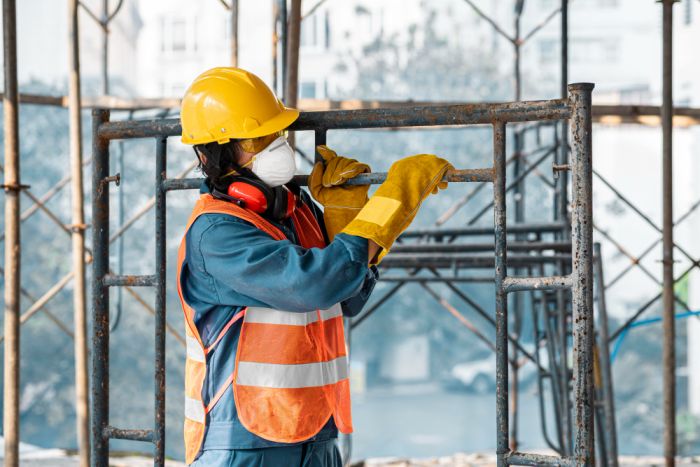
Personal protective equipment, commonly referred to as PPE, plays an important role in preventing workplace injuries. Safety helmets, gloves, protective eyewear, safety shoes, masks, and protective clothing provide an additional layer of protection against workplace hazards.
However, many workplace incidents occur because employees either fail to use protective equipment or use it incorrectly. In some situations, workers avoid PPE because of discomfort or a lack of awareness regarding its importance.
Organizations should provide employees with appropriate protective equipment and educate them about its value. Training programs should explain when and how PPE should be used.
Management should also monitor compliance and encourage employees to follow safety standards consistently.
Fire Hazards in Industrial and Construction Environments
Fire-related risks represent another significant workplace concern, particularly in industries involving electrical systems, chemicals, and flammable materials.
Fires may occur due to poor maintenance, electrical faults, improper storage practices, or failure to follow safety procedures. Apart from causing injuries, workplace fires can result in severe property damage and operational disruptions.
Businesses should implement fire prevention strategies that include regular inspections, emergency response planning, employee training, and proper storage of hazardous materials.
Employees should understand evacuation procedures and know how to respond during emergencies. Conducting routine fire drills also improves preparedness and reduces panic during unexpected situations.
Chemical and Hazardous Material Exposure
Many industrial workplaces handle chemicals and hazardous materials that can affect employee health if proper precautions are not taken.
Exposure to harmful substances may occur through inhalation, skin contact, or accidental spills. Long-term exposure can create serious health issues and negatively affect employee well-being.
Organizations should establish clear handling procedures and ensure that workers understand safety guidelines associated with hazardous materials. Adequate ventilation systems, proper storage methods, and protective equipment can significantly reduce exposure risks.
Safety information should remain easily accessible so employees can quickly respond during emergency situations.
Building a Strong Workplace Safety Culture
Workplace safety is most effective when organizations create a culture where every employee actively participates in maintaining safe practices.
A strong safety culture begins with leadership commitment. Management should regularly communicate safety expectations and provide employees with ongoing training opportunities. Workers should feel comfortable reporting unsafe conditions without hesitation.
Safety discussions, awareness campaigns, and routine evaluations help maintain a proactive approach rather than reacting after accidents occur.
When employees understand that safety is a shared responsibility, organizations create stronger and healthier work environments.
Conclusion
Workplace safety is not simply about preventing accidents. It is about protecting employees, improving productivity, and creating a sustainable work environment. Identifying common workplace risks and implementing preventive strategies helps organizations reduce injuries and improve operational efficiency.
Businesses that prioritize employee safety often experience long-term benefits such as reduced costs, improved morale, stronger compliance, and better performance.
Investing in workplace safety solutions, employee training, and protective equipment creates a safer environment where both employees and businesses can succeed.